

Understanding the shift towards staying at home
There is something inherently comforting about the familiar streets of Helensburgh. Whether it is a morning walk near the seafront or the view of the hills that frame our town, home is more than just a building; it is a collection of memories and a sense of belonging. For many of our elderly residents, the thought of leaving this behind for a residential facility is a source of significant anxiety. This is exactly why more families are now looking into the practicalities of 24 hour home care Helensburgh as a viable, compassionate alternative to a care home.
The decision to move a parent or a spouse into full-time care is never easy. It often comes after months, or even years, of family members trying to bridge the gap themselves. You might find yourself popping in before work, checking in at lunch, and spending your weekends managing prescriptions and grocery shopping. Eventually, there comes a point where the support needed exceeds what a family can realistically provide. When that moment arrives, the choice doesn’t have to be between struggling on your own or moving your loved one out of their cherished home.

What 24 hour home care Helensburgh actually provides
When people first hear about round-the-clock care at home, they often wonder how it actually works in practice. It isn’t just about having someone in the house; it is about providing a structured yet flexible environment where an individual can thrive. This level of support is highly personalised, ensuring that the rhythm of the day remains dictated by the person receiving care, not by the schedule of a large institution.
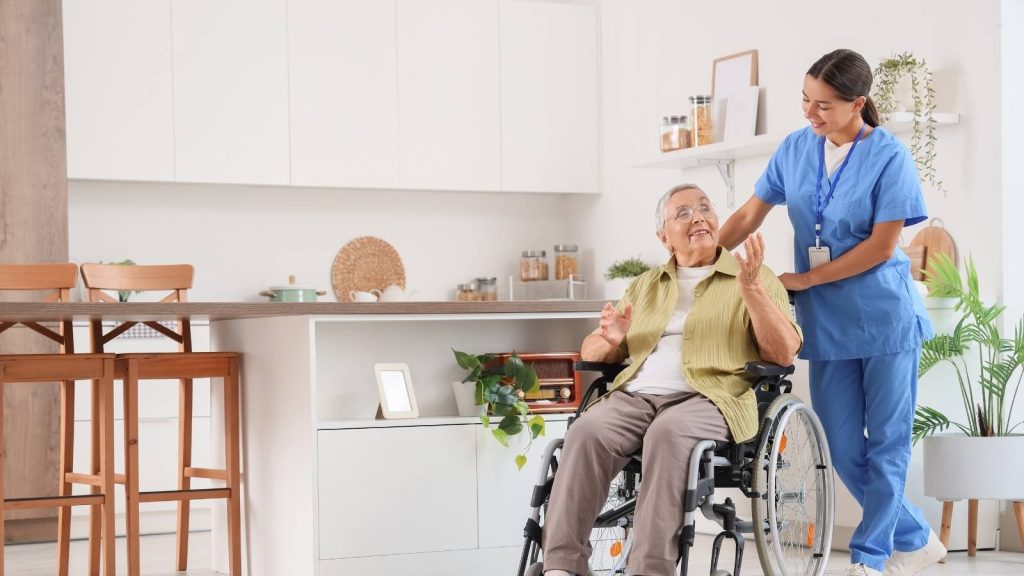
The core of this service involves a professional carer living within the home. This provides a level of consistency that is hard to find elsewhere. Because the carer is there all the time, they become finely tuned to the nuances of the person’s health and mood. They notice the small changes—a slight loss of appetite, a change in sleeping patterns, or a bit of confusion—that might be missed in a busy care home setting or during short half-hour visits.
The daily benefits of live-in support
- Personalised Nutrition: Meals are prepared according to individual tastes and dietary requirements, ensuring that every meal is something to look forward to rather than a mass-produced tray.
- Medication Management: Strict adherence to medication schedules provides peace of mind that health conditions are being managed correctly around the clock.
- Mobility and Safety: Having someone on hand to assist with moving around the house significantly reduces the risk of falls, which are a primary concern for seniors living alone.
- Companionship: Perhaps the most undervalued aspect of care is the social connection. Having someone to talk to, share a cup of tea with, or discuss the news helps combat the loneliness that often affects the elderly.
Maintaining a connection to the Helensburgh community
One of the greatest advantages of opting for 24 hour home care Helensburgh is that it allows the individual to remain an active part of their community. Helensburgh is a town with a strong identity, and many of its older residents have spent decades building relationships here. Moving into a care home often means severing those ties, but home care allows those connections to stay intact.
With a dedicated carer, a trip to the local shops, a visit to a favourite café, or a stroll through Hermitage Park remains a possibility. These small outings are vital for mental well-being. They provide a sense of normalcy and continuity that is essential for someone who might be dealing with the challenges of ageing or chronic illness. The carer doesn’t just manage the household; they act as a bridge to the outside world, ensuring that the individual can still enjoy the local flavour of life in Argyll and Bute.
Support for complex health needs
For families dealing with more complex situations, such as advanced dementia, Parkinson’s, or recovery from a stroke, the intensity of care required can be daunting. In these instances, 24 hour home care Helensburgh becomes more than just a convenience—it becomes a necessity for safety. Dementia, in particular, can lead to ‘sundowning’ or nighttime wandering, which can be incredibly stressful for family members trying to provide care while also maintaining their own lives and jobs.
A professional live-in carer is trained to handle these specific challenges. They understand how to de-escalate moments of frustration and how to provide a calming environment. Because they are focused on only one person, they can adapt their approach in real-time, providing a level of patience and attention that is simply not possible in a communal living environment. This one-to-one ratio is the gold standard of care, ensuring that the individual always feels heard and safe.
Why families feel a sense of relief
- Reduced Stress: Family members can return to being daughters, sons, or spouses rather than acting as full-time nurses and cleaners.
- Consistency of Care: Unlike agency rotas that might see several different faces in a week, live-in care focuses on a small, dedicated team.
- Flexibility: Care plans can be adjusted quickly as needs change, without the bureaucracy often found in larger organisations.
- Environmental Familiarity: For those with memory issues, staying in a familiar layout with their own furniture and belongings is incredibly grounding.
The logistics of arranging live-in care
Starting the journey toward full-time home care often begins with a simple conversation. It involves assessing the home to ensure there is a suitable room for a carer to stay in and discussing what the specific goals of the care are. Is the focus on physical rehabilitation, or is it more about emotional support and safety? Every family is different, and the care plan should reflect that uniqueness.
Many people worry about the intrusion of having a ‘stranger’ in the house. However, the matching process is very thorough. It isn’t just about finding someone with the right medical skills; it is about finding someone whose personality and interests align with the person they are caring for. Over time, these carers often become like an extension of the family, providing a level of care that is deeply rooted in mutual respect and friendship.
By choosing this path, you are not just providing a service for your loved one; you are investing in their quality of life. You are allowing them to wake up in their own bed, look out at their own garden, and live their life on their own terms. In a town as beautiful and tight-knit as Helensburgh, that sense of place is a powerful medicine in itself. The peace of mind that comes from knowing a professional is always there, ready to help at a moment’s notice, allows everyone in the family to breathe a little easier.

A news writer with a background in political analysis and cultural trends. John specialises in unpacking current events, public policy, and how they intersect with societal change and innovation.