
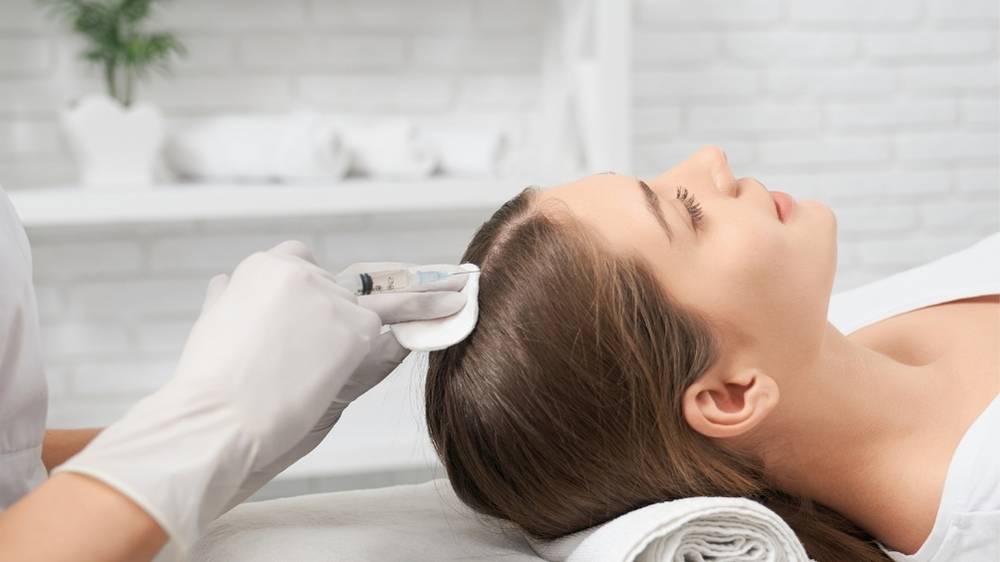
Understanding the journey of hair restoration in the city
Dealing with hair loss can feel like a very personal and often isolating experience. Whether you have noticed a bit more hair in the shower drain than usual or you are starting to see your scalp through your fringe, it is something that affects thousands of people across Scotland every year. For many living in the west of Scotland, the search for a reliable hair loss clinic Glasgow becomes a priority when they realise that high-street shampoos and over-the-counter vitamins simply are not doing the trick. The rainy, windy Glasgow weather can be particularly unforgiving, often highlighting thinning areas when your hair gets damp or blown about, which only adds to the desire for a permanent solution.
It is important to recognise that hair loss is not just about aesthetics; it is about how you feel when you walk into a room or catch your reflection in a shop window on Buchanan Street. The psychological impact can be significant, affecting everything from your social life to your performance at work. This is why more people are looking past the quick fixes and seeking out professional medical advice. A specialised clinic offers more than just a procedure; it provides a comprehensive understanding of why the hair loss is happening in the first place, which is the essential first step to any successful treatment plan.
Why professional diagnosis is the first step you should take
Many people spend months, if not years, trying different home remedies before they ever step foot in a professional environment. While it is tempting to hope a new supplement or a specific caffeine shampoo will solve the problem, hair loss is often a complex biological issue. It could be down to genetics, stress, hormonal imbalances, or even underlying health conditions. This is where the expertise of a dedicated hair loss clinic glasgow becomes invaluable, as they can provide a clinical diagnosis rather than a best guess.
During a professional consultation, experts look at the patterns of hair loss and the health of the scalp. For women, in particular, the causes can be vastly different from male pattern baldness, often requiring a more nuanced approach to treatment. By visiting a clinic that understands these differences, you ensure that you are not wasting time and money on treatments that were never designed for your specific condition. A clinical setting allows for a thorough examination, sometimes involving blood tests or scalp biopsies, to ensure the root cause is identified before any intervention begins.
Common reasons people seek out clinical help
- Androgenetic Alopecia, which is the most common form of genetic hair loss in both men and women.
- Telogen Effluvium, often triggered by significant stress, illness, or rapid weight loss.
- Traction Alopecia, caused by tight hairstyles that pull on the hair follicles over time.
- Alopecia Areata, an autoimmune condition that results in patchy hair loss.
- Nutritional deficiencies that impact the hair growth cycle and follicle strength.
The modern treatments that are actually changing lives
The field of hair restoration has moved on significantly from the days of obvious hairpieces or the ‘pluggy’ look of old-fashioned transplants. Today, a hair loss clinic Glasgow offers a range of sophisticated treatments that are designed to look completely natural and blend seamlessly with your existing hair. The goal is no longer just to add hair, but to recreate a natural hairline and density that matches your age and facial structure.
One of the most popular surgical options is Follicular Unit Extraction (FUE). This involves taking individual hair follicles from a donor area—usually the back of the head where hair is more resistant to thinning—and moving them to the areas where they are needed. Because the follicles are moved one by one, there is no linear scarring, and the recovery time is remarkably quick. However, surgery is not the only path. Many clinics now offer non-surgical interventions that can be highly effective, especially if the hair loss is caught in its earlier stages.
Effective non-surgical options to consider
- Platelet-Rich Plasma (PRP) therapy, which uses the healing properties of your own blood to stimulate dormant follicles.
- Low-Level Laser Therapy (LLLT), a non-invasive way to increase blood flow to the scalp and encourage growth.
- Prescription-strength topical treatments that are more potent than anything available on the high street.
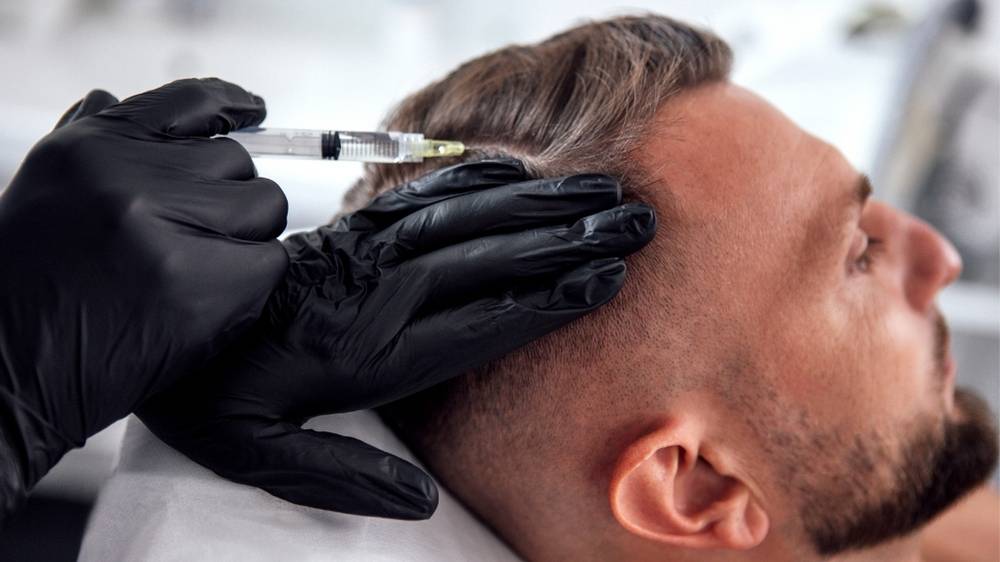
- Mesotherapy, involves injecting a cocktail of vitamins and minerals directly into the scalp to nourish the hair at the root.
How to choose a clinic that you can actually trust
With the rise in popularity of hair restoration, many centres have popped up, but not all are created equal. When you are looking for a hair loss clinic Glasgow, it is vital to do your homework. You are looking for a medical facility, not a beauty salon. This means the clinic should be registered with the appropriate Scottish health authorities and the practitioners should have verifiable credentials. In the UK, looking for surgeons who are members of the British Association of Hair Restoration Surgery (BAHRS) or the International Society of Hair Restoration Surgery (ISHRS) is a good benchmark for quality and ethical standards.
Transparency is another key factor. A reputable clinic will be honest about what can be achieved. They won’t promise you a full head of hair if your donor area is weak, and they won’t push you into surgery if a medical treatment would be more appropriate. During your initial visit, pay attention to how they explain the risks and the recovery process. A good clinic wants you to be happy with the results for years to come, not just for the first few months. They should provide a bespoke plan that considers your long-term hair loss patterns, as hair loss is often a progressive condition that needs a long-term management strategy.
What to expect during your first visit to a Glasgow clinic
Walking through the door for your first consultation can be nerve-wracking, but it is the most important step in the process. Most people find that once they start talking to a professional who understands the science of hair, a lot of the anxiety begins to fade. The consultation usually starts with a detailed medical history and a discussion about when you first noticed your hair thinning. The clinician will then examine your scalp using specialised tools, such as a trichoscope, which allows them to see the hair follicles at high magnification.
This level of detail is necessary to determine the density of your hair and the health of your scalp skin. They will also check for signs of inflammation or scarring that might affect the success of certain treatments. By the end of this session, you should have a clear understanding of your options, the costs involved, and a realistic expectation of the timeline for results. Hair does not grow overnight, so any treatment plan requires patience and consistency. Whether you choose a surgical route or a medical management programme, having a local clinic in Glasgow means you have easy access to follow-up appointments and ongoing support as your hair begins to transform.

A news writer with a background in political analysis and cultural trends. John specialises in unpacking current events, public policy, and how they intersect with societal change and innovation.